Interactive Butterfly Guide
As you explore our Butterflies in the Garden exhibit, use this guide to identify the butterflies around you and learn more about their native habitats, survival strategies, and fascinating adaptations. With two butterfly releases each day, there’s always something new to discover!
Want to support butterflies beyond the Rainforest Conservatory? Native plants provide the essential food and shelter they need to thrive at every stage of their life.
Get native plant tips from the Tarrant Regional Water District and grow a pollinator-friendly garden of your own.
Meet Our Gleaming Garden Guests
Tap a butterfly below to explore photos and learn more about each species in our exhibit. How many different butterflies can you identify?
-
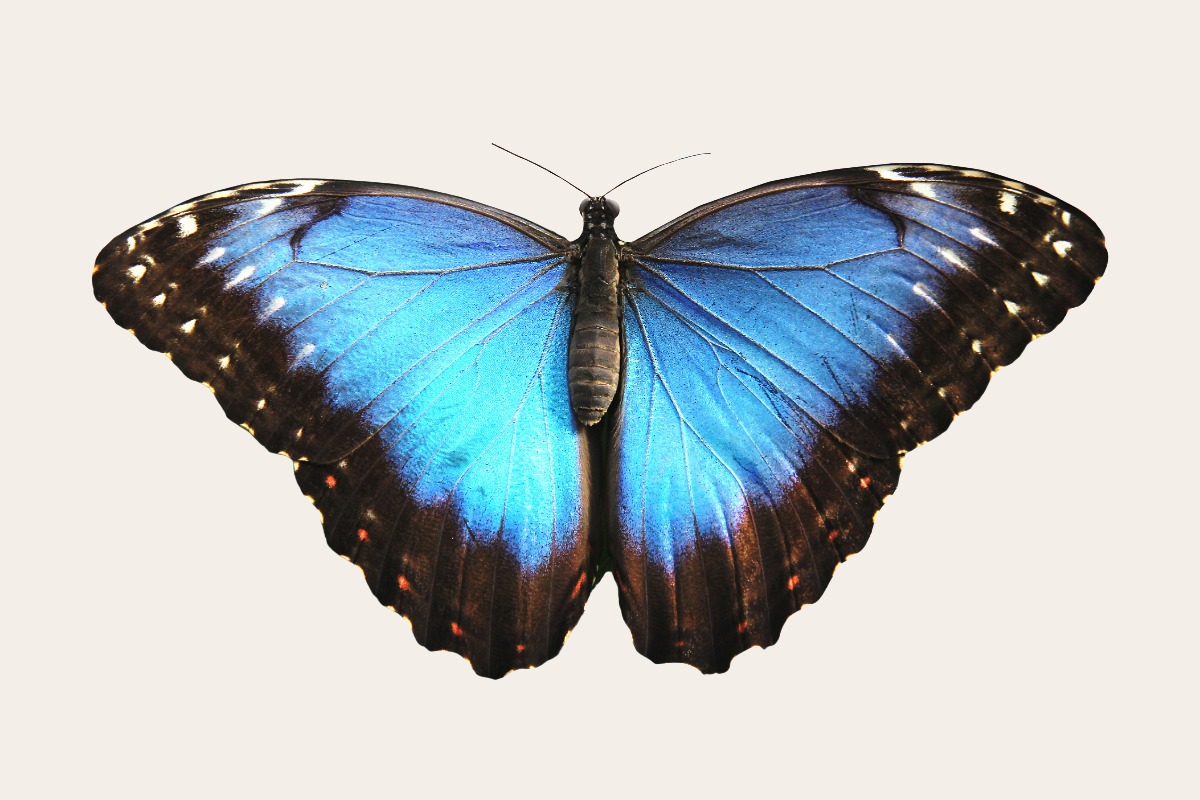
Blue Morpho (Morpho helenor) – Central & Northern South America -
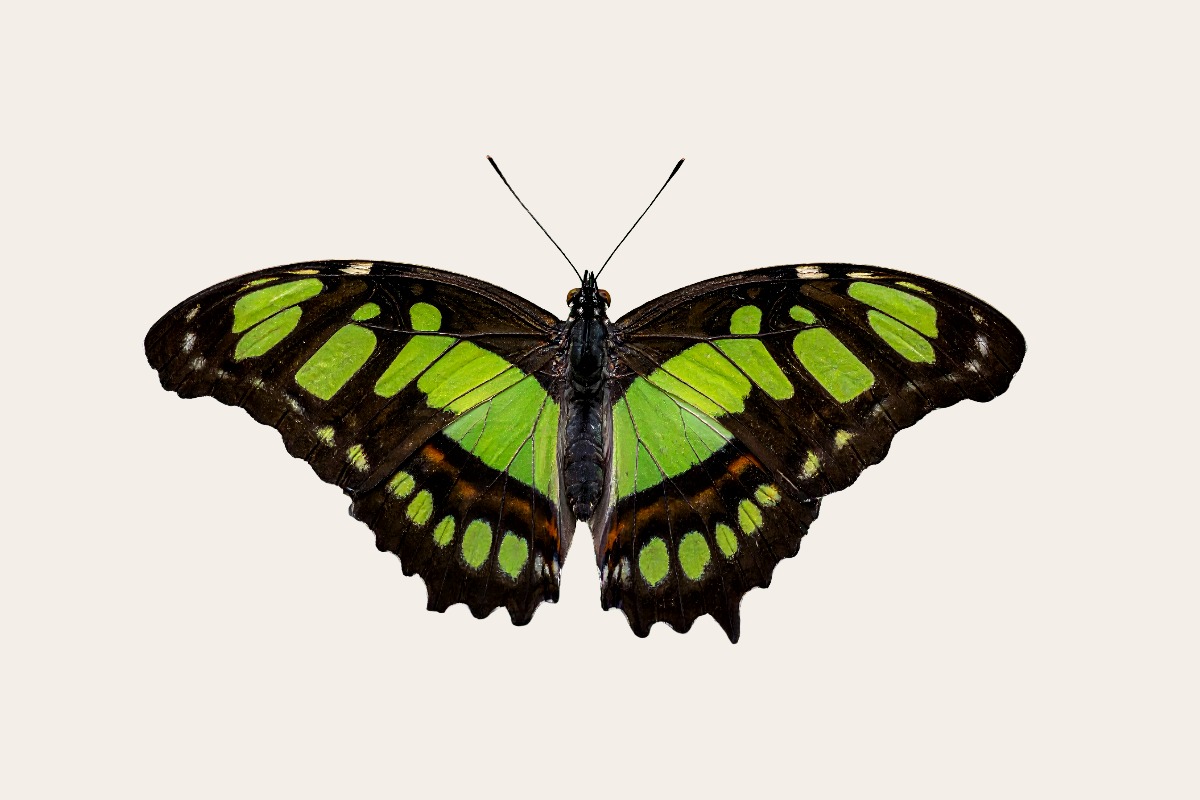
Malachite Butterfly (Siproeta stelenes) – Central & Northern South America -
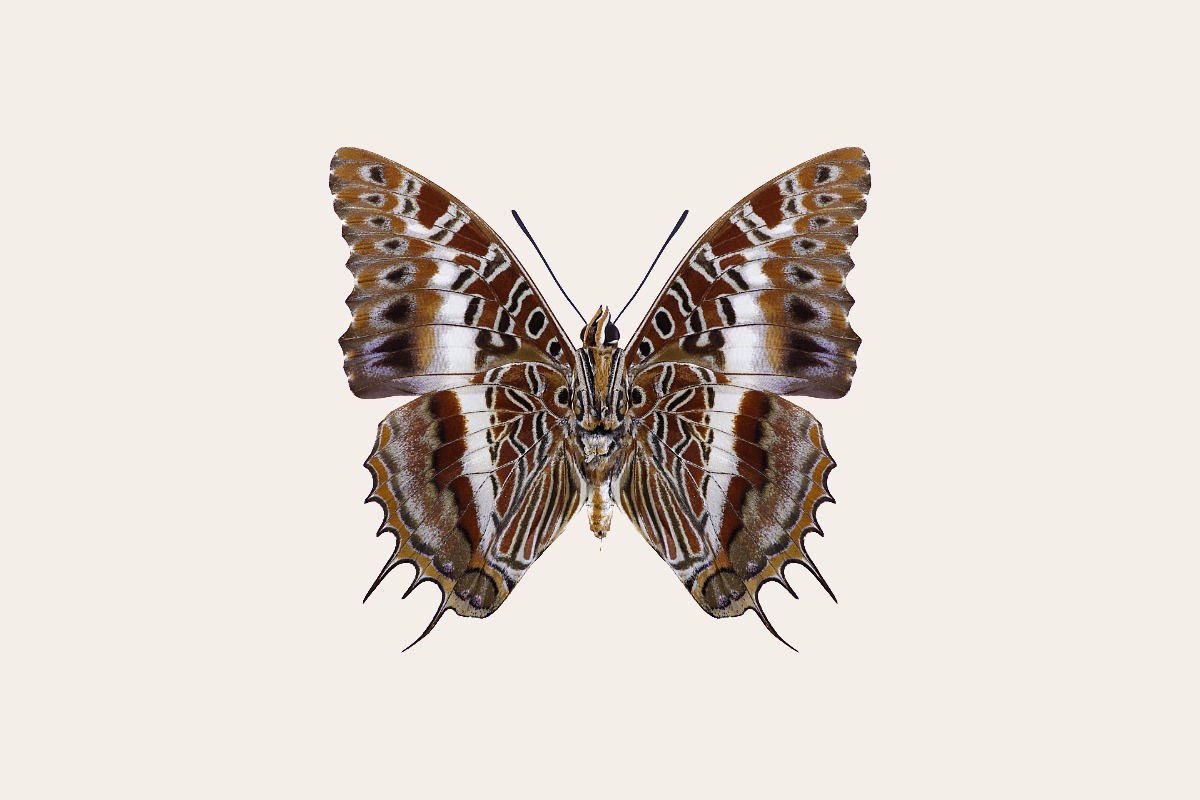
White-Bar Charaxes (Charaxes brutus) – Sub-Saharan Africa -
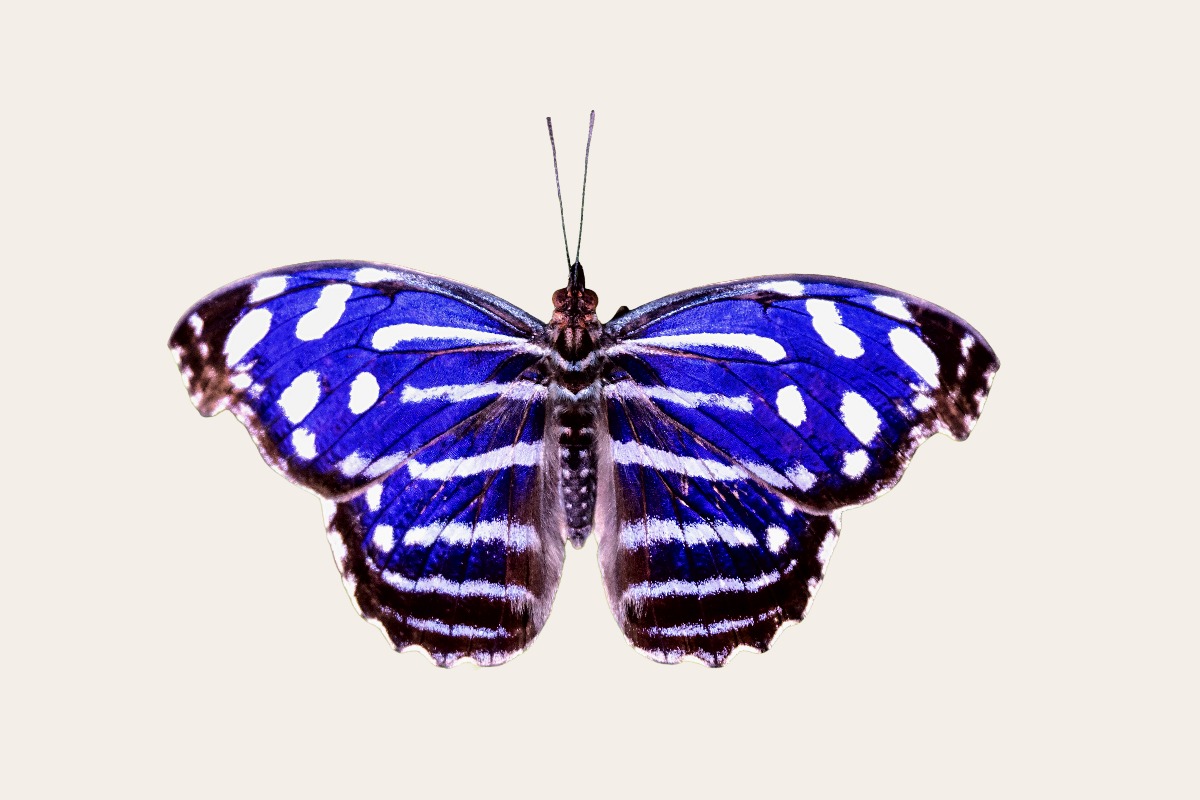
Whitened Bluewing (Myscelia cyaniris) – Central & Northern South America -
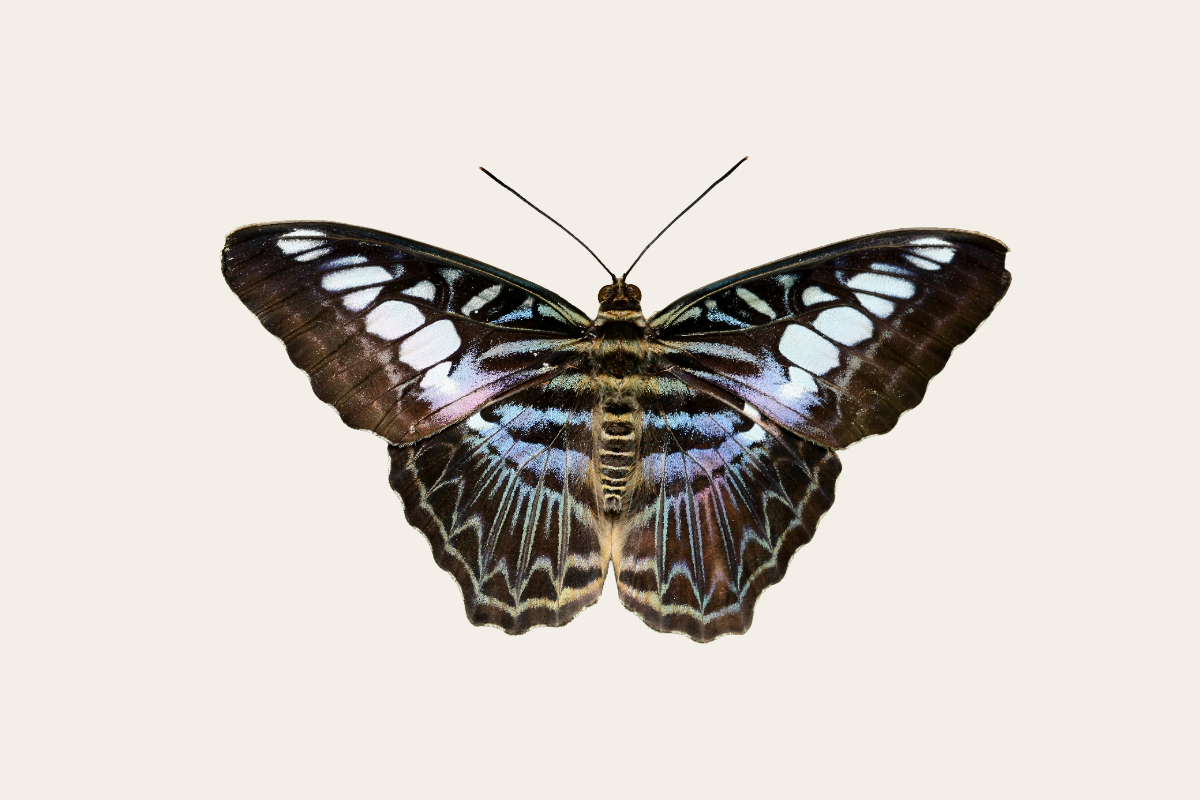
Clipper (Parthenos sylvia) – South & Southeast Asia -
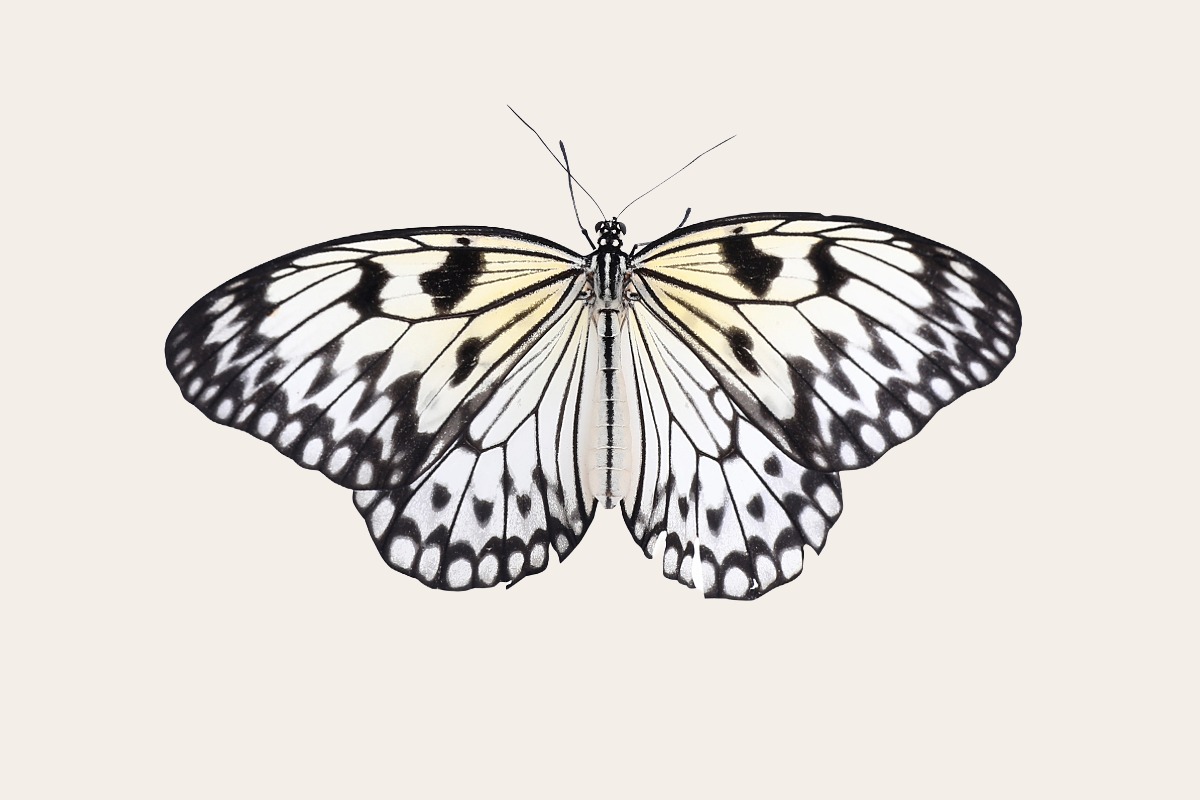
Paper Kite (Idea leuconoe) – Southeast Asia -
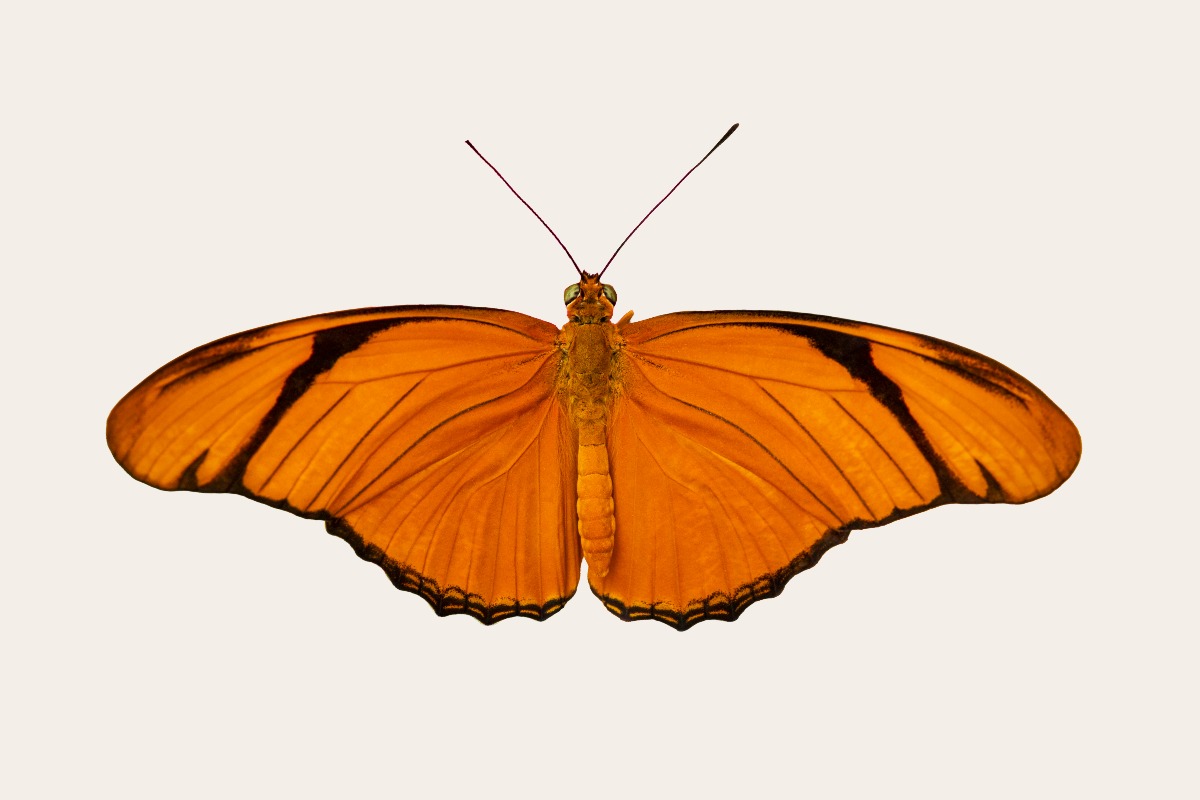
Julia Butterfly (Dryas iulia) – Southern United States through Central & South America -
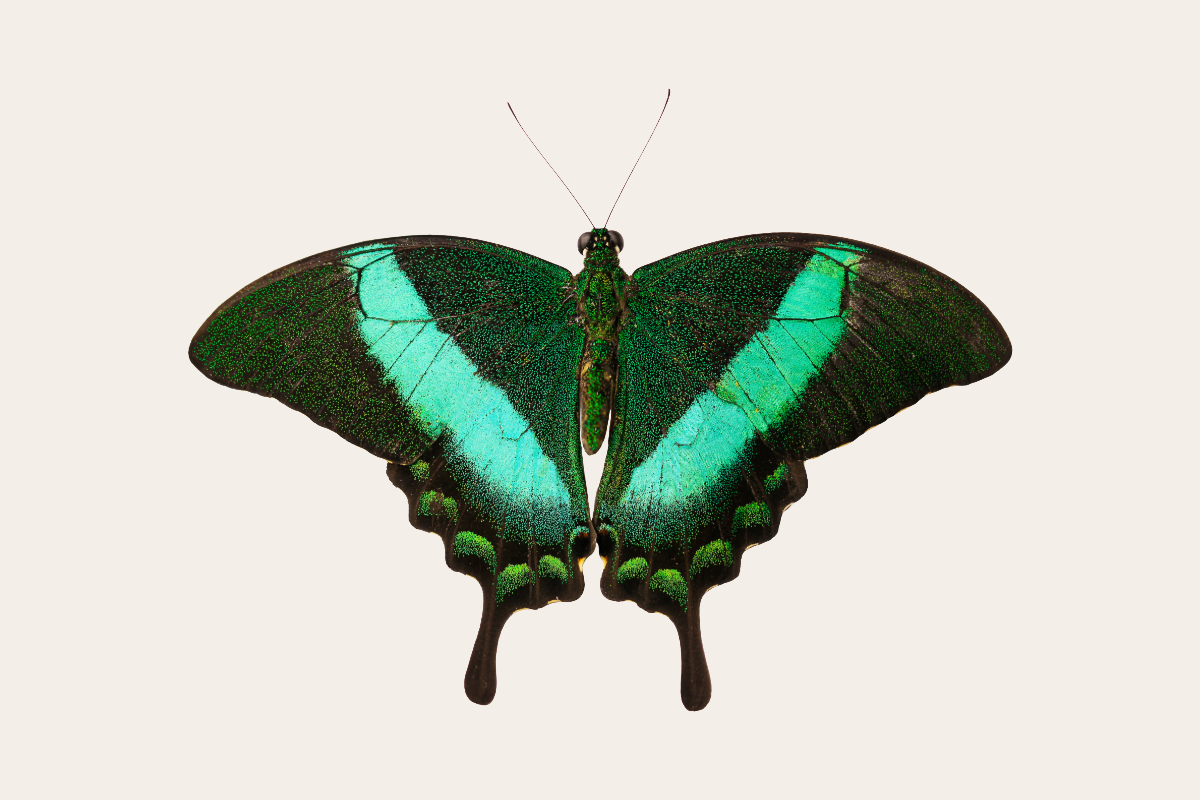
Emerald Swallowtail (Papilio palinurus) – Southeast Asia -
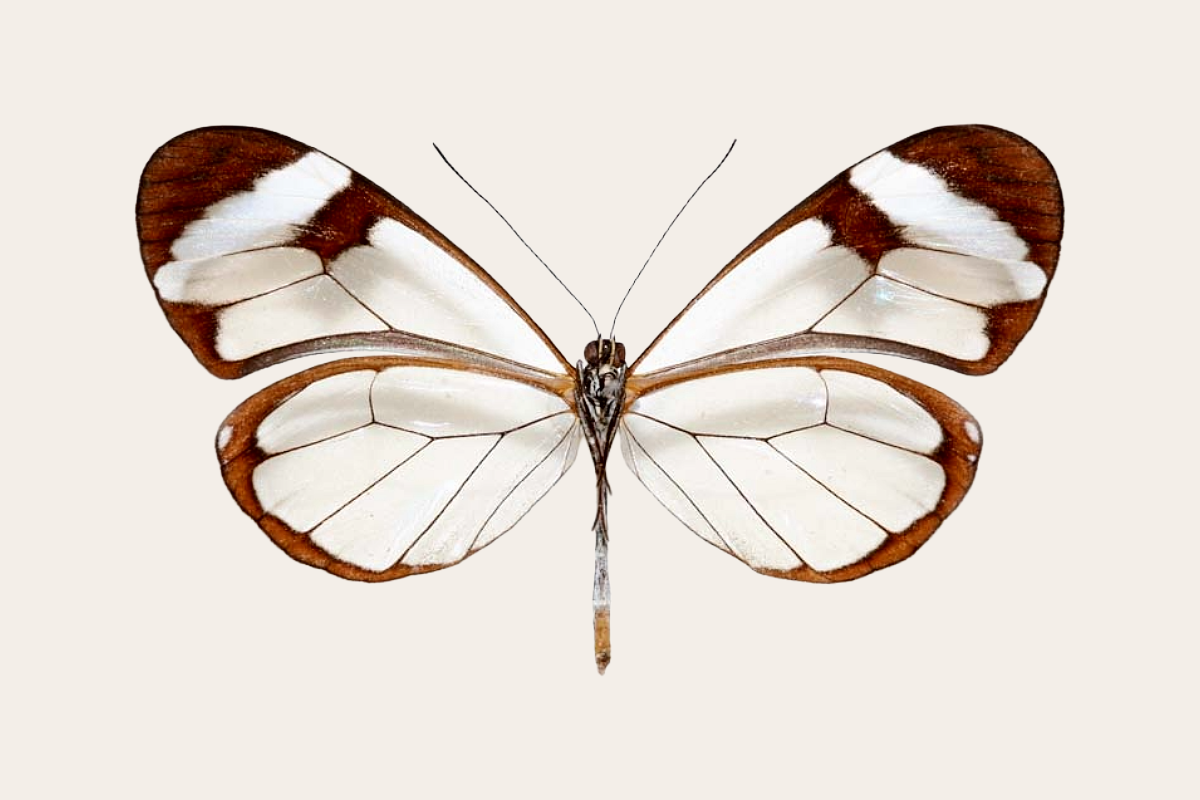
Rusty Clearwing (Greta morgane) – Central America & Northern South America -
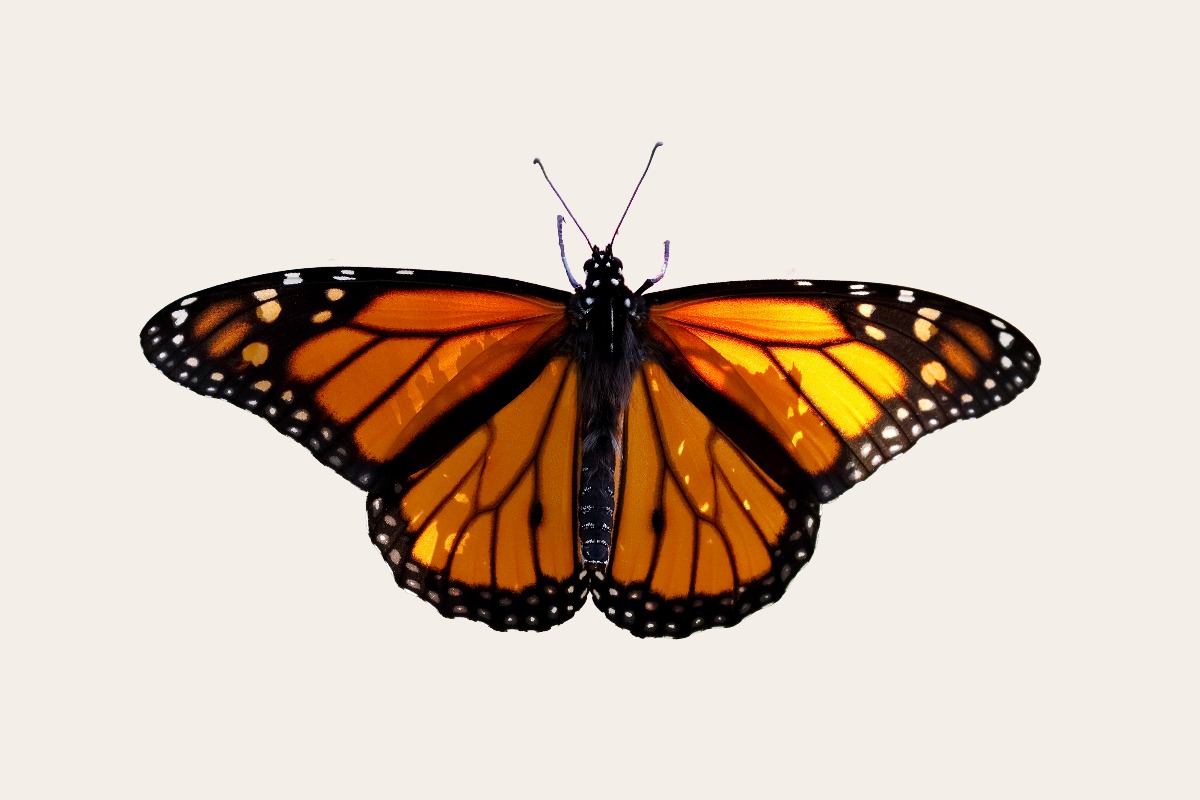
Monarch butterfly (Danaus plexippus) – North, Central & South America -
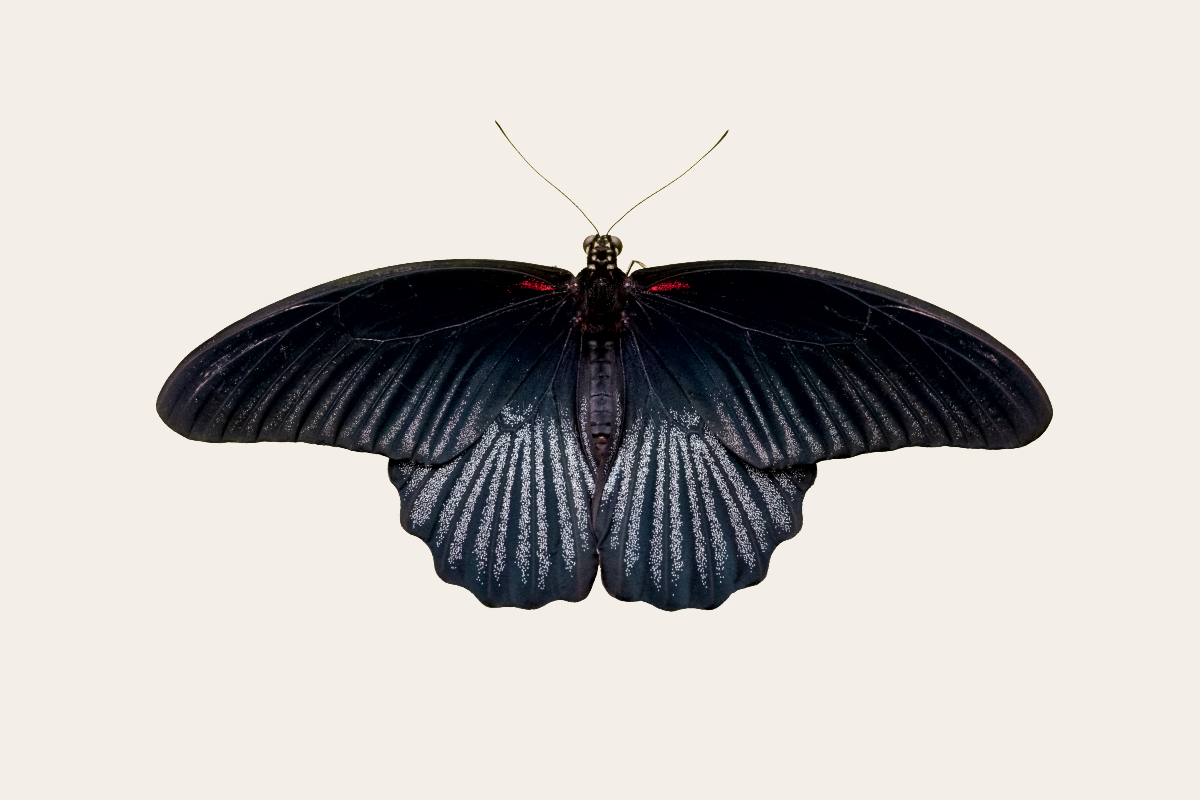
Great Mormon, Male (Papilio memnon) – South & Southeast Asia -
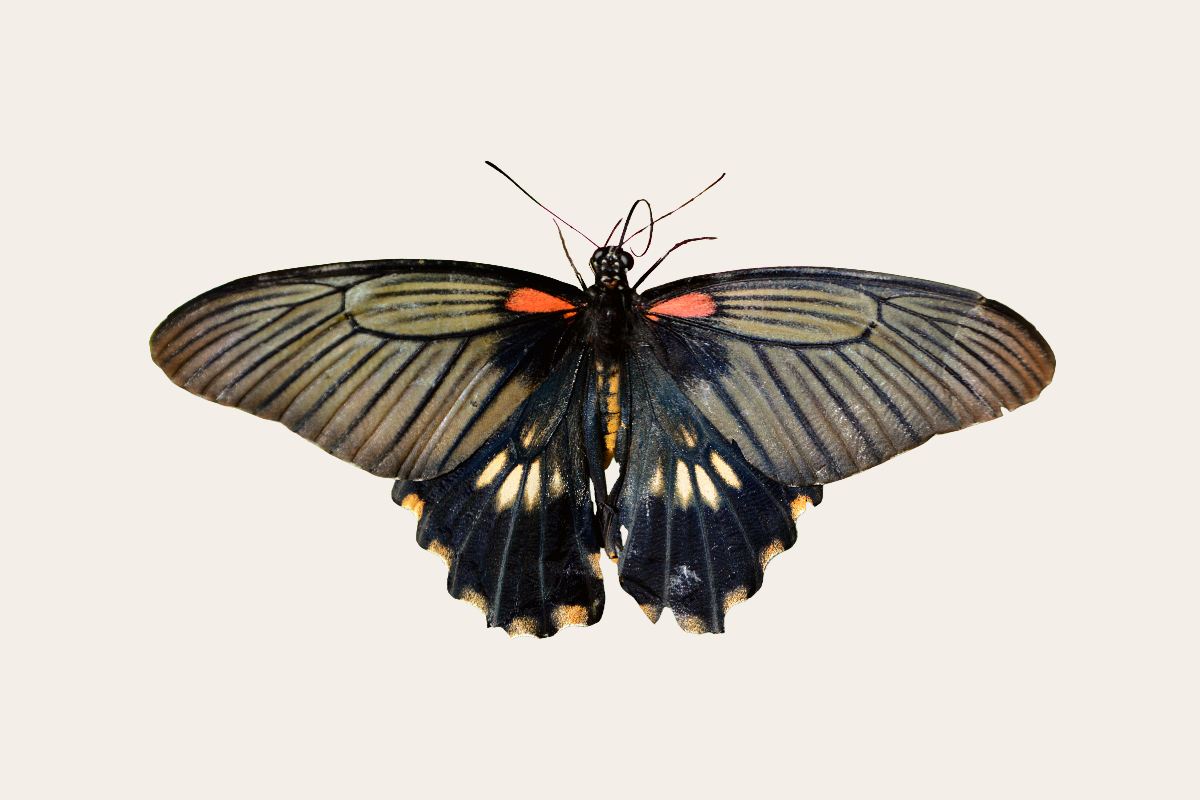
Great Mormon, Female (Papilio memnon) – South & Southeast Asia -
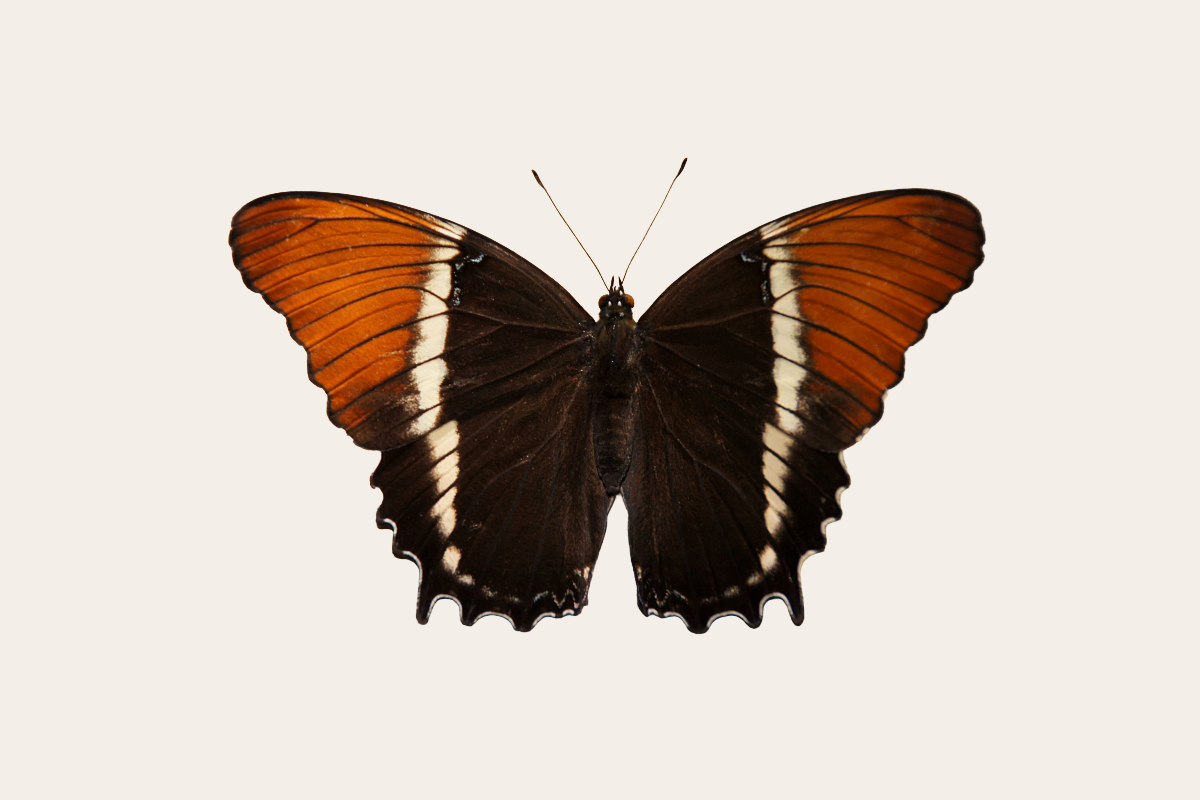
-
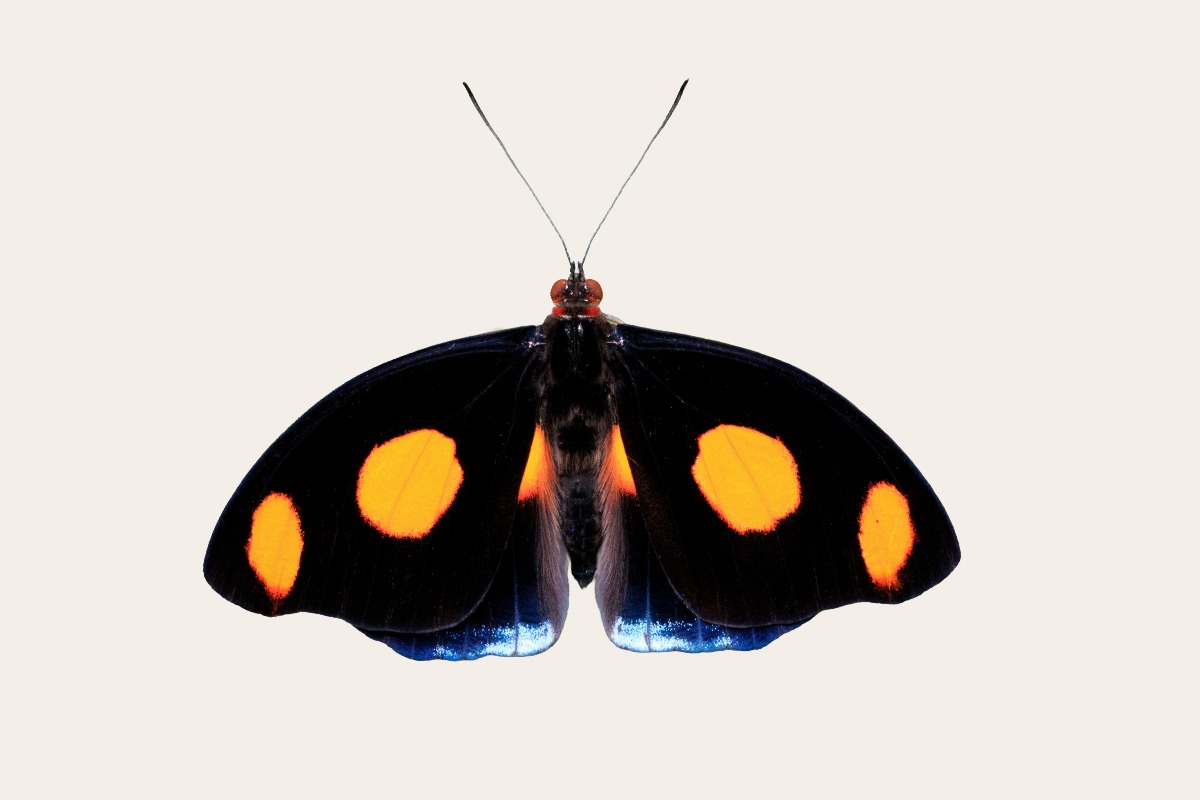
Blue-Frosted Banner, Male (Catonephele numilia) – Central & Northern South America -
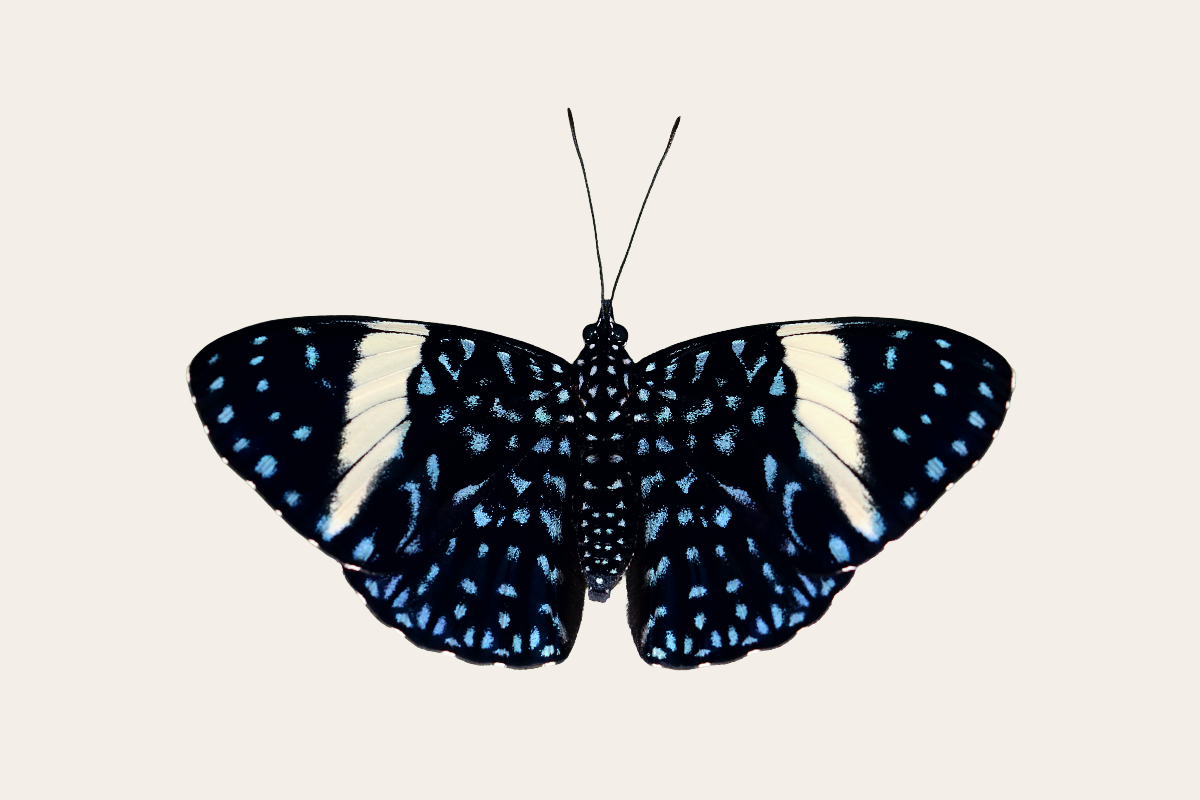
Red Cracker (Hamadryas amphinome) – Central & Northern South America -
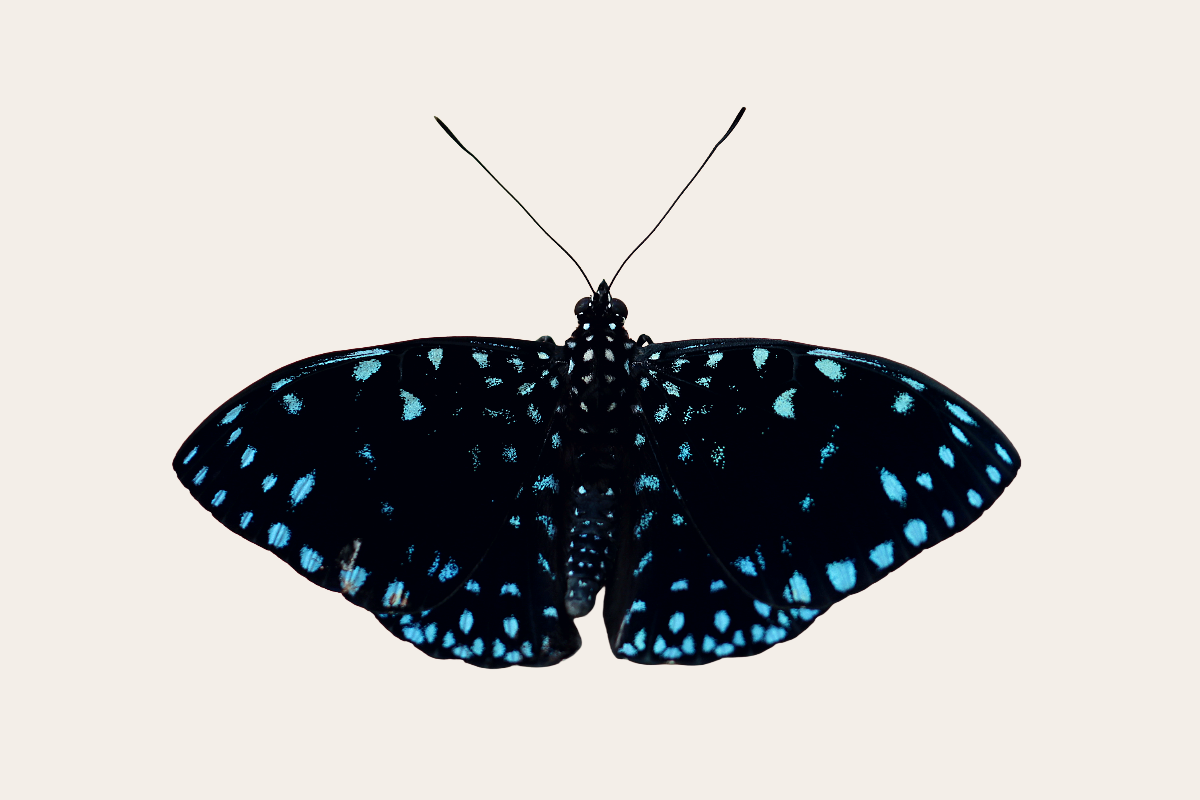
Starry Night Cracker (Hamadryas laodamia) – Central & Northern South America -
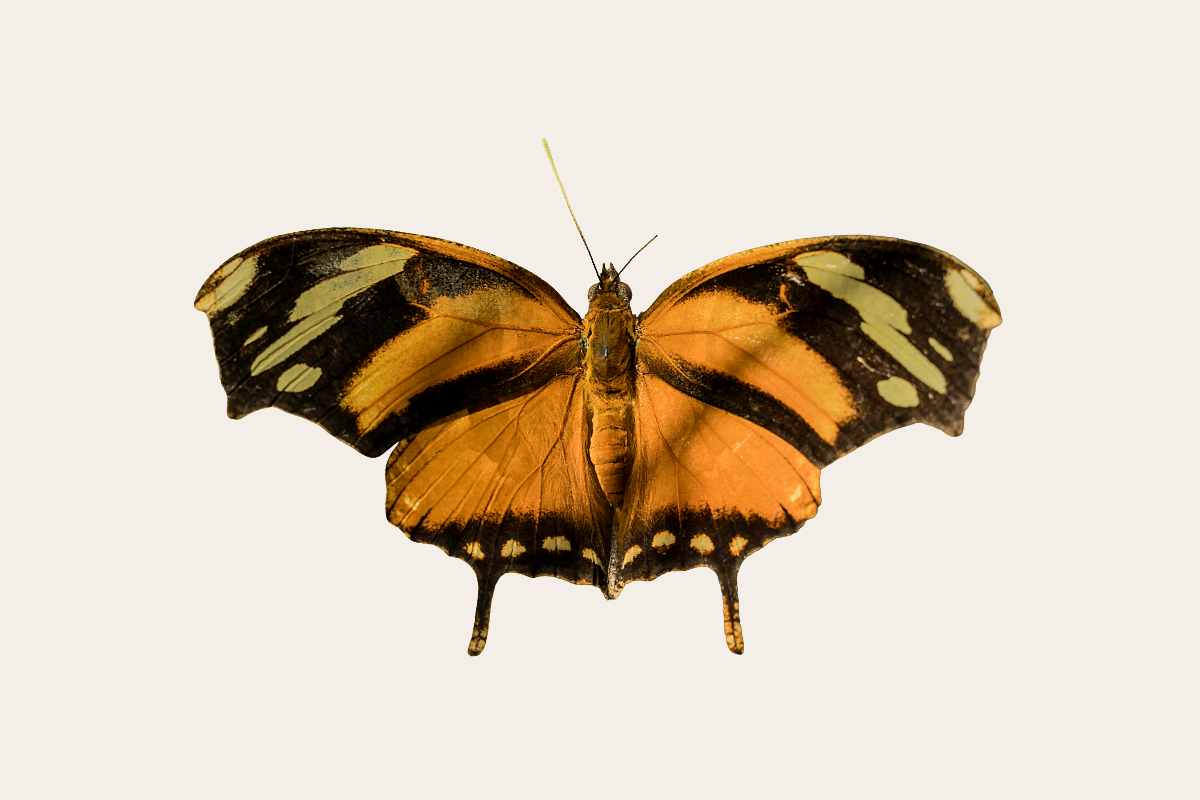
Tiger Leafwing (Consul fabius) – Central & Northern South America -
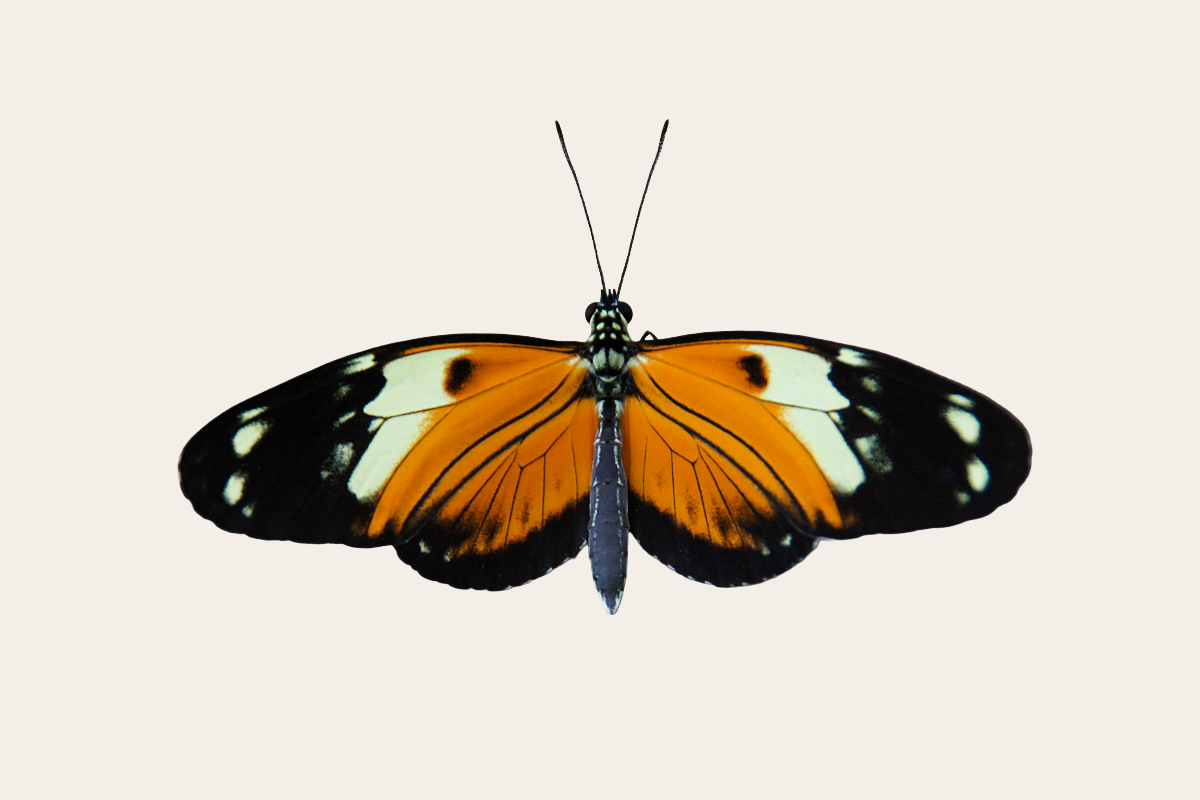
Orange-Spotted Tigerwing (Mechanitis polymnia) – Central & Northern South America -
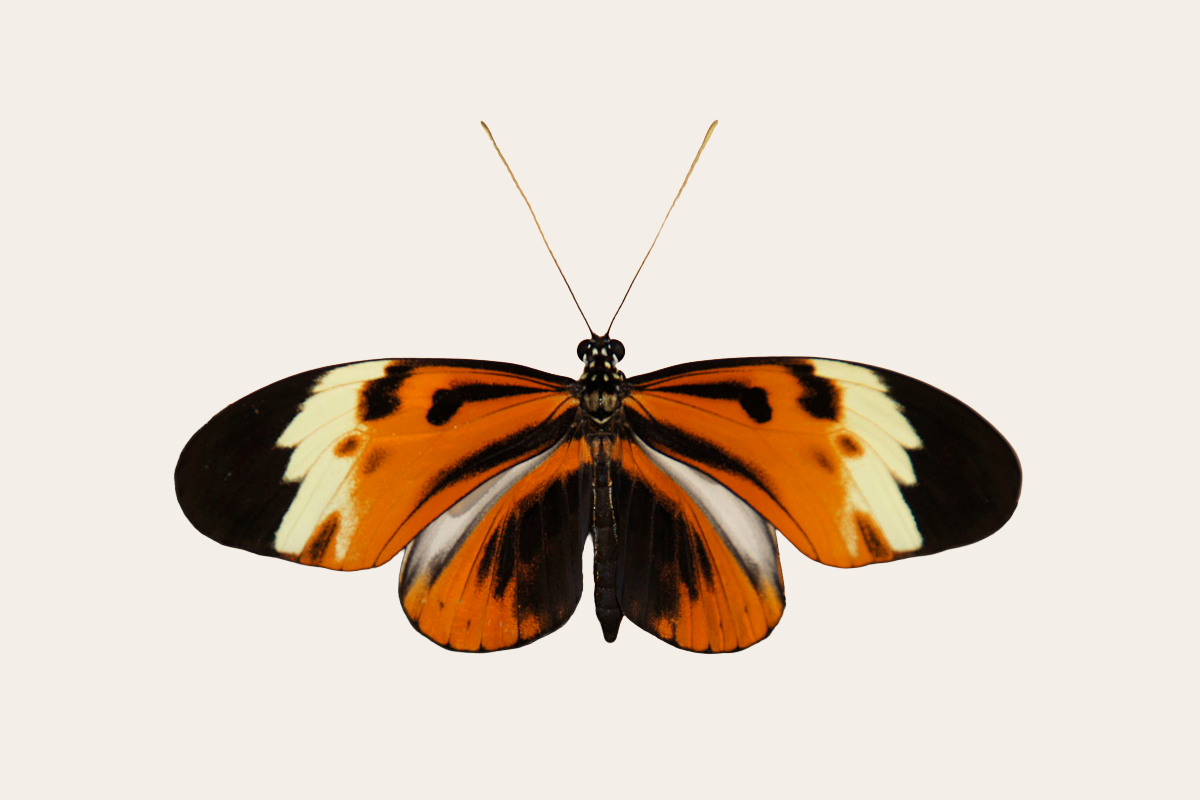
Harmonia Tigerwing (Tithoria harmonia) – Central & Northern South America -
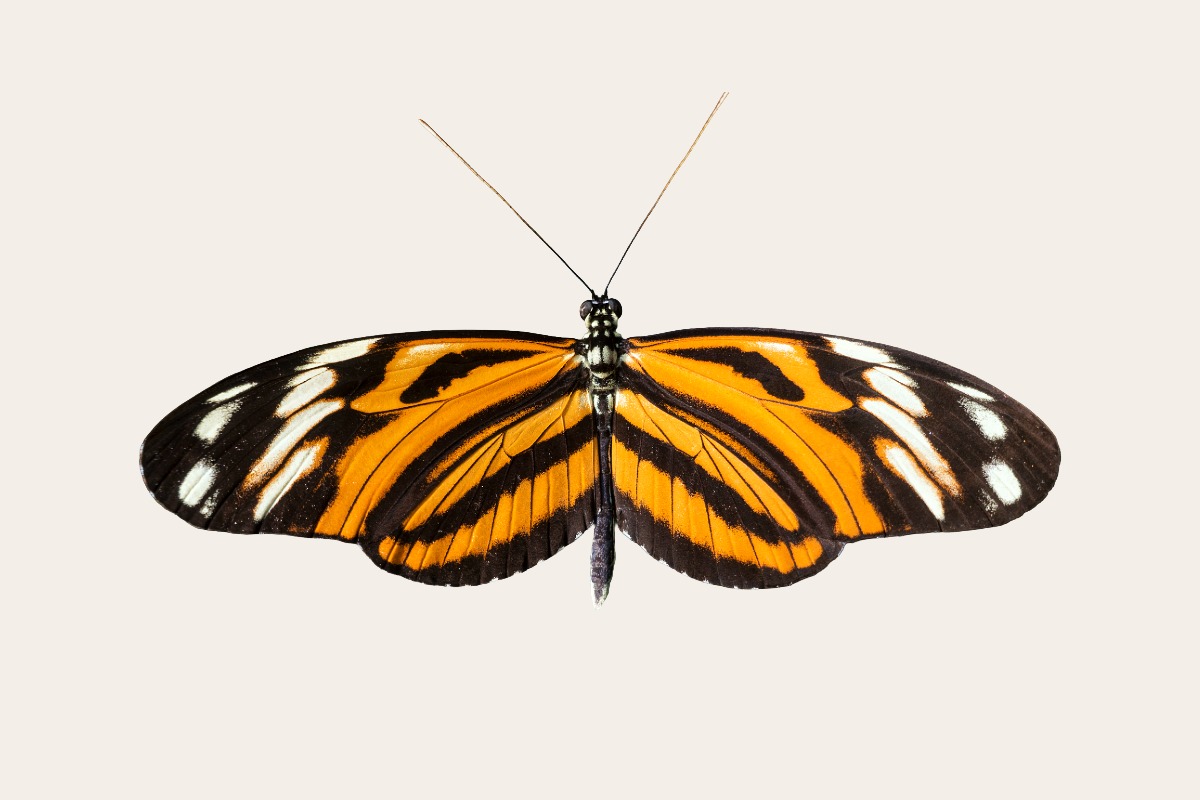
Tiger Longwing (Heliconius ismenius) – Central & Northern South America -
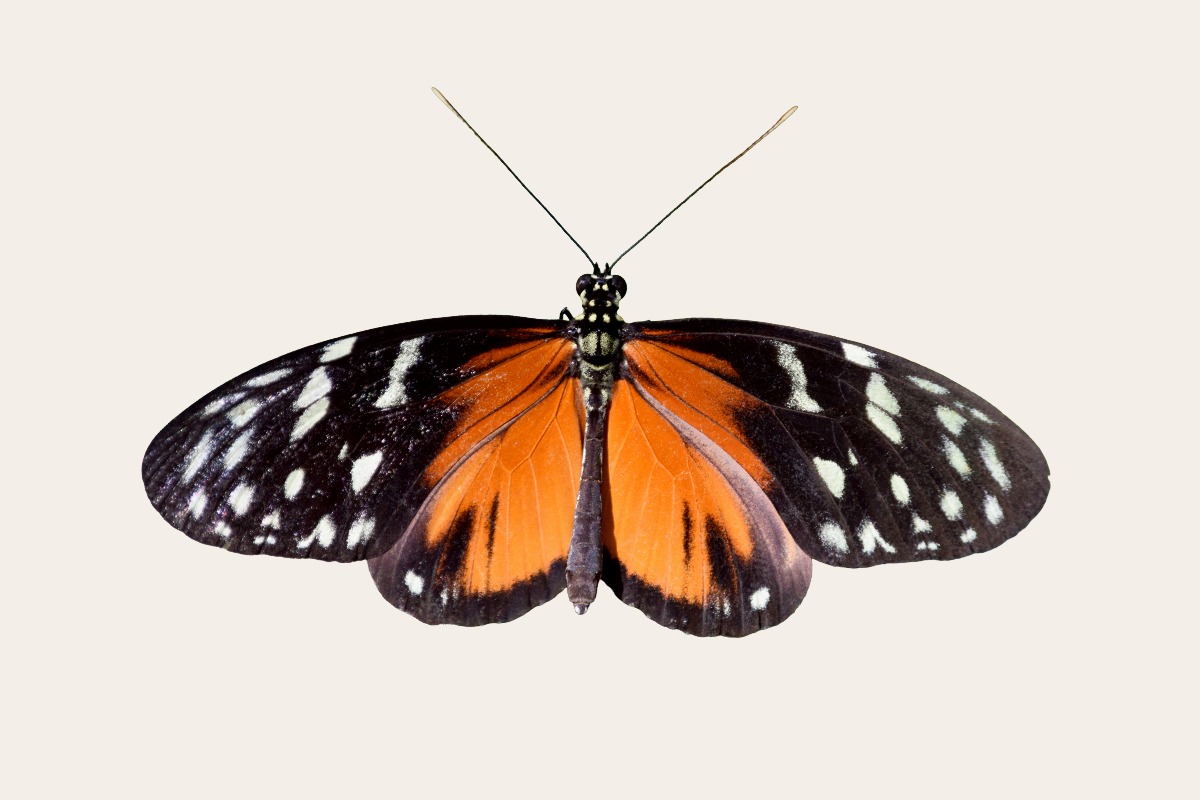
Tiger Longwing (Heliconius hecale) – Central & Northern South America -
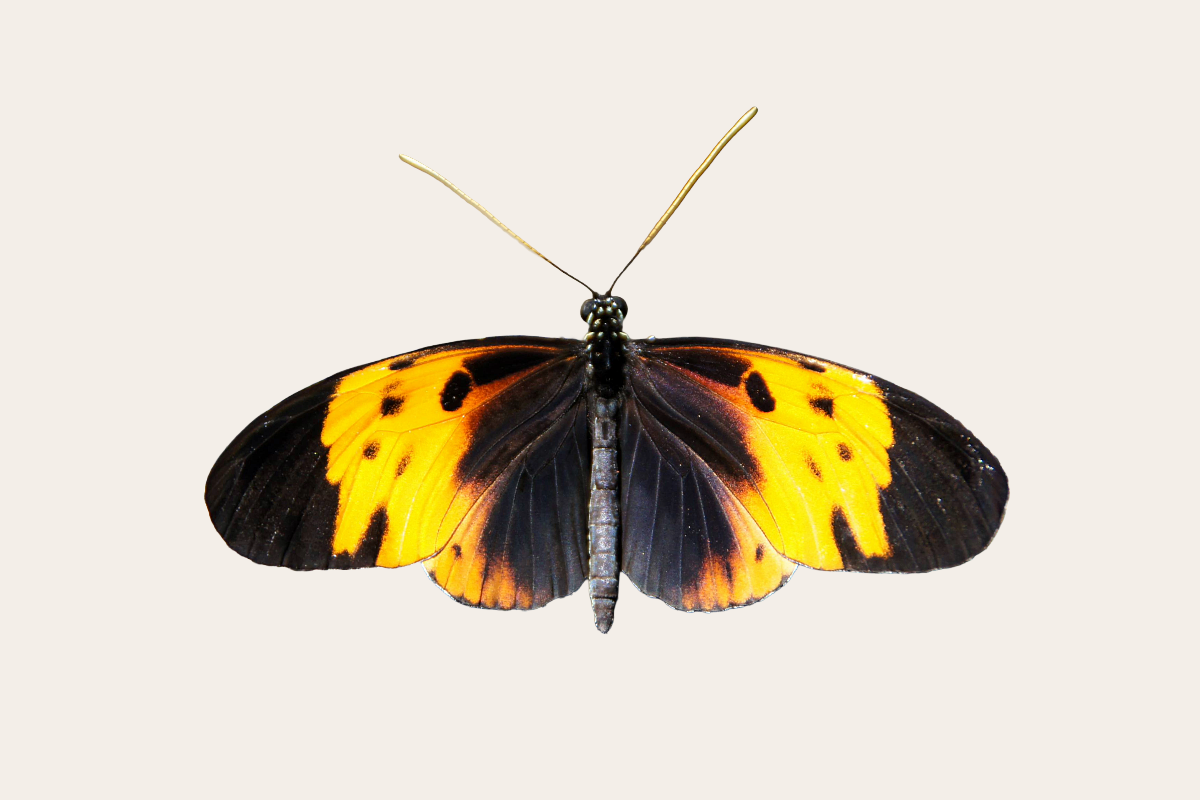
Tiger Longwing (Heliconius numata) – Central & Northern South America -
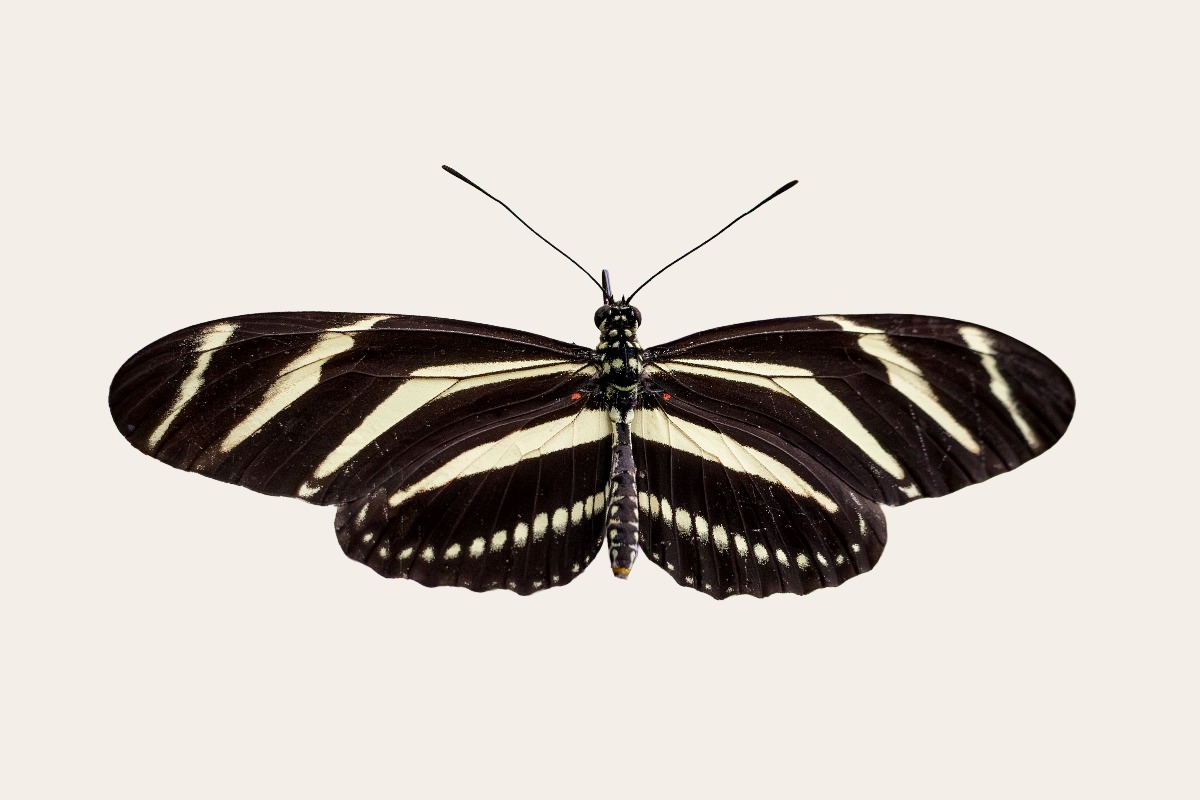
Zebra Longwing (Heliconius charithonia) – Southern United States through Central & South America -
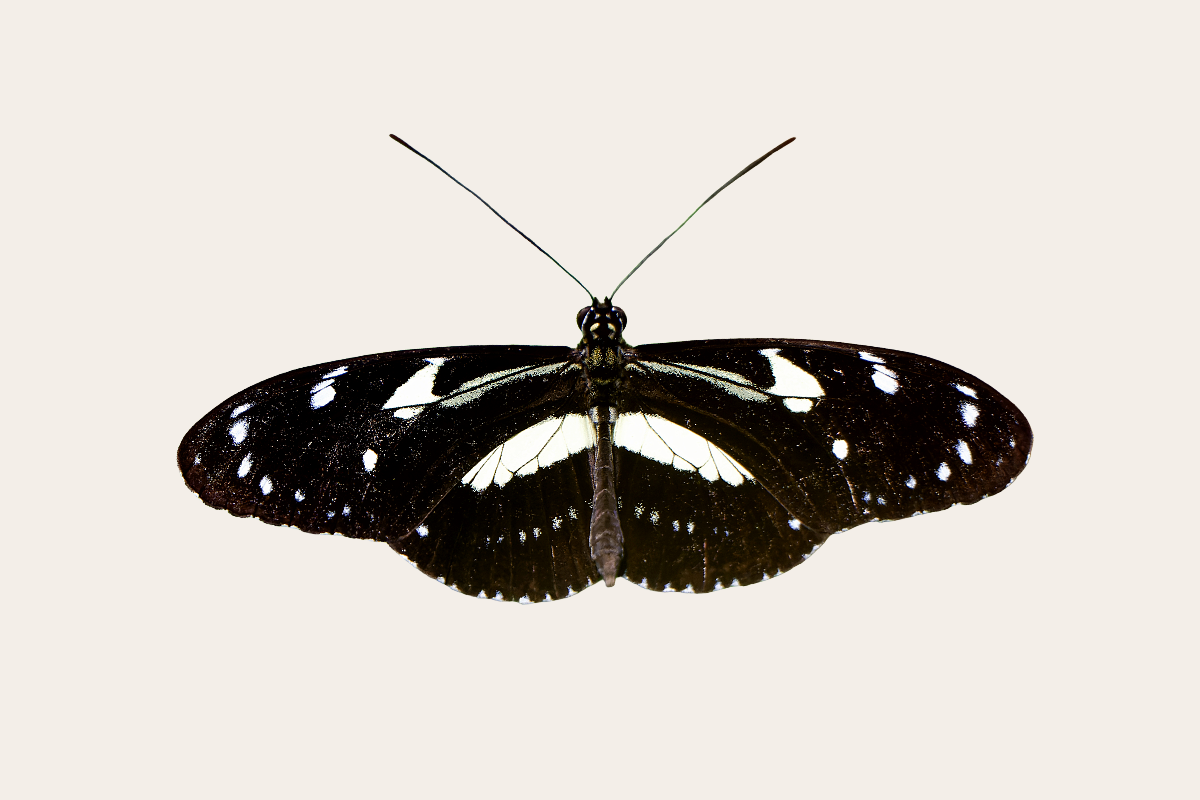
False Zebra Longwing (Heliconius atthis) – Central & Northern South America -
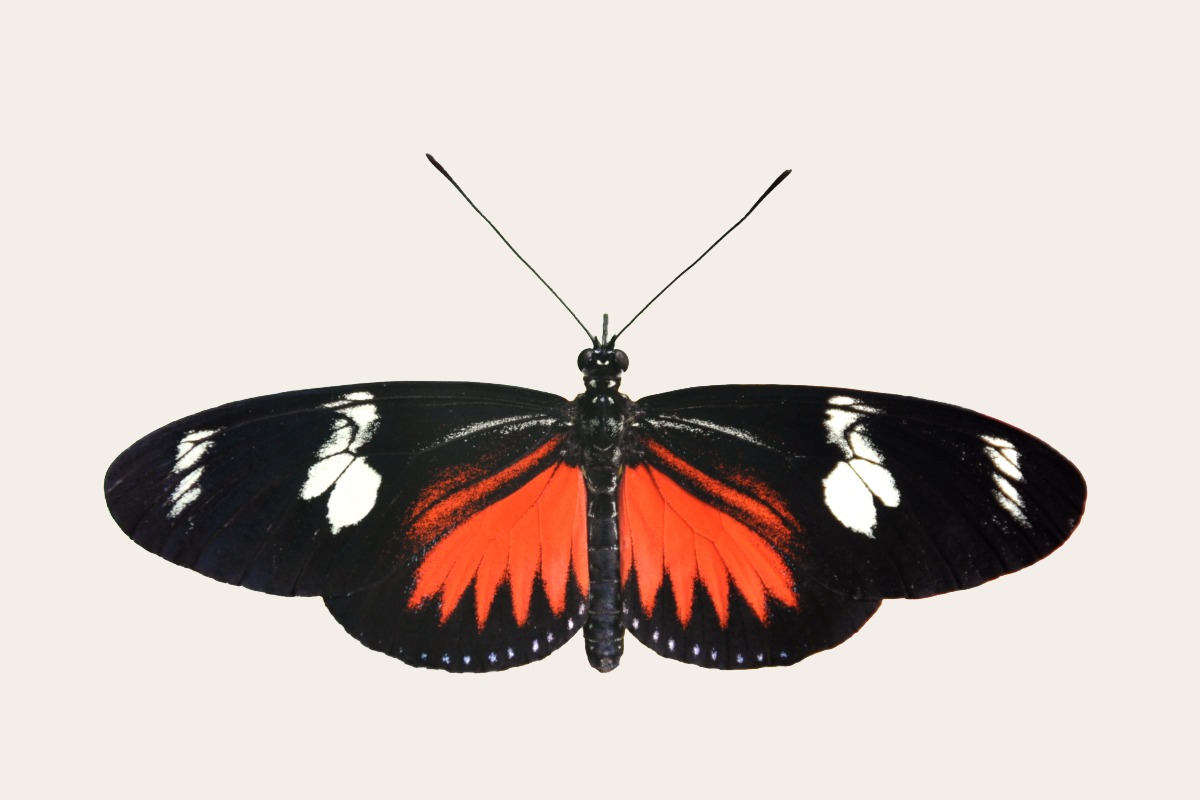
Doris Longwing (Heliconius doris) – Central & Northern South America -
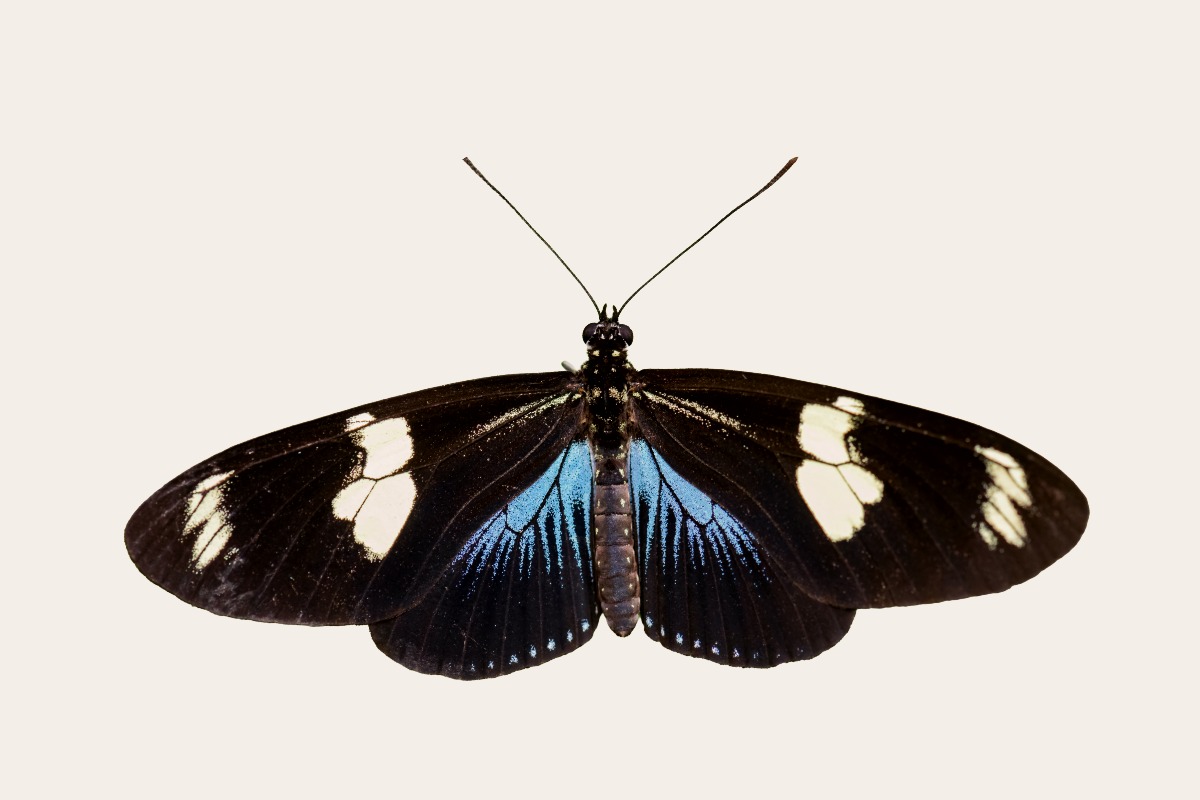
Doris Longwing (Heliconius doris) – Central & Northern South America -
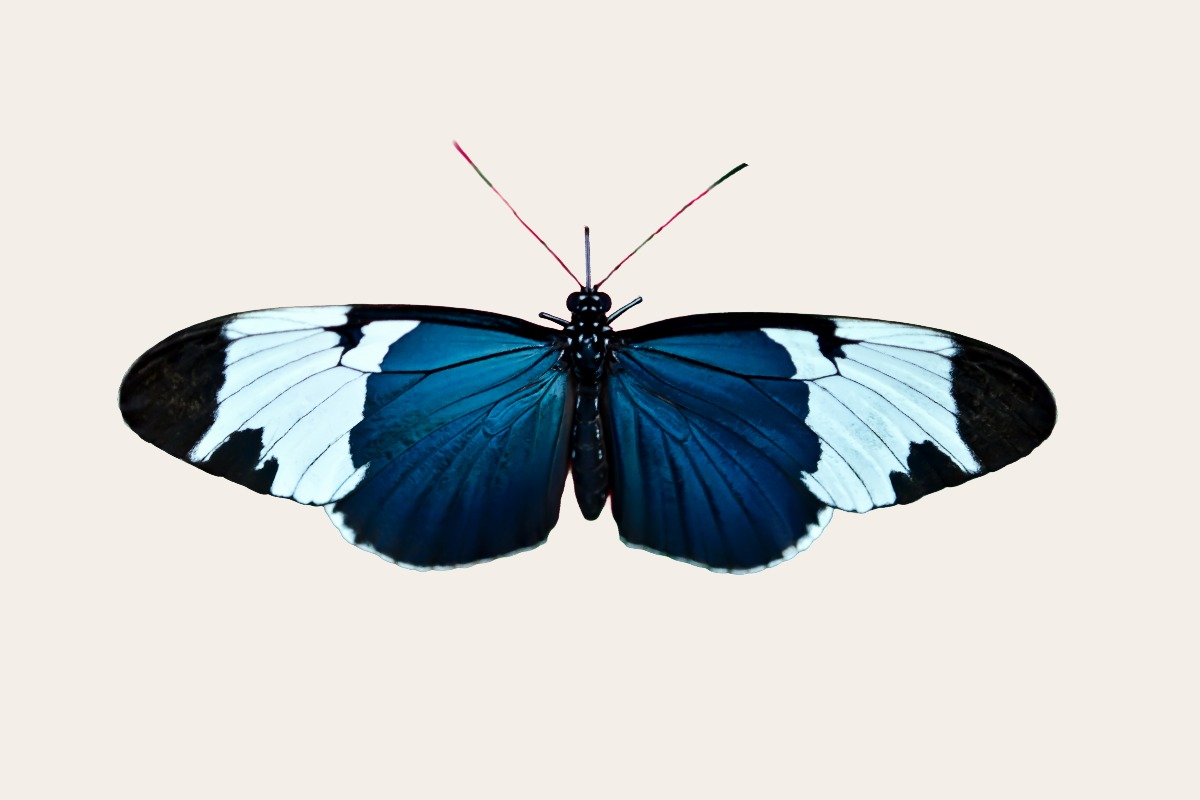
Sapho Longwing (Heliconius sapho) – Central & Northern South America -
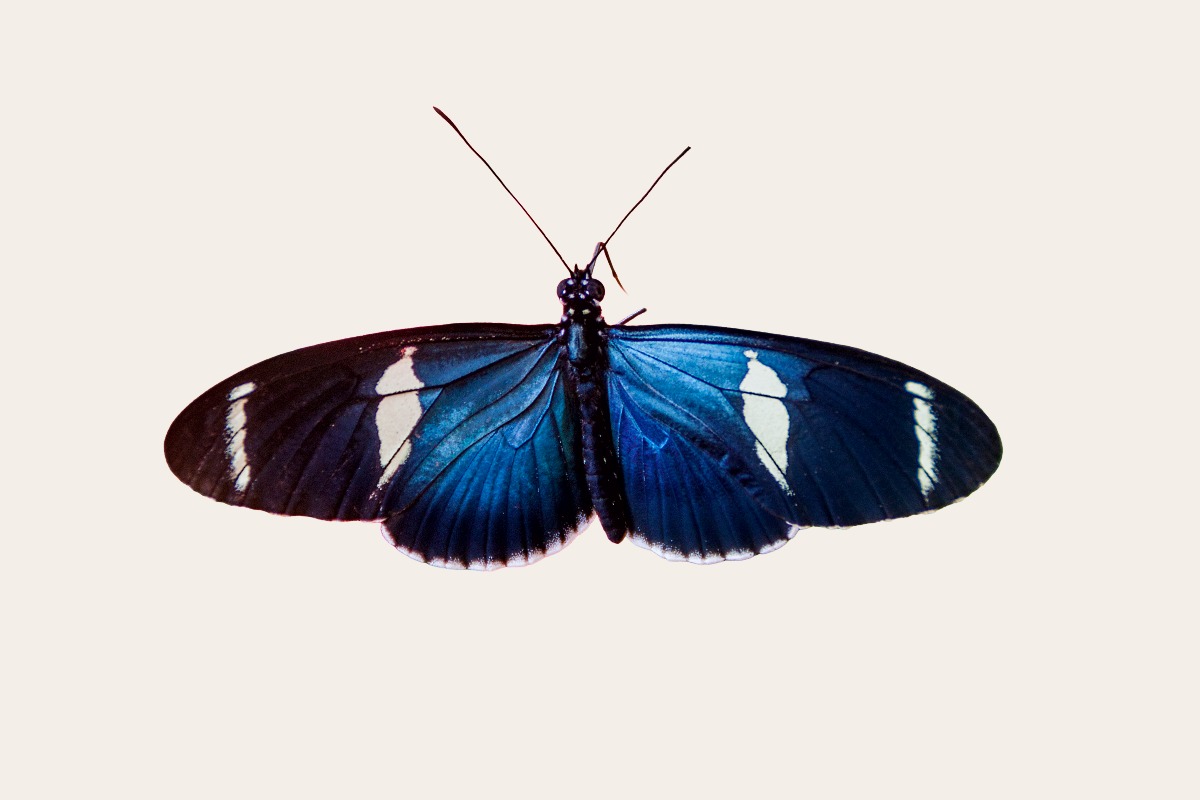
Sara Longwing (Heliconius sara) – Central & Northern South America -
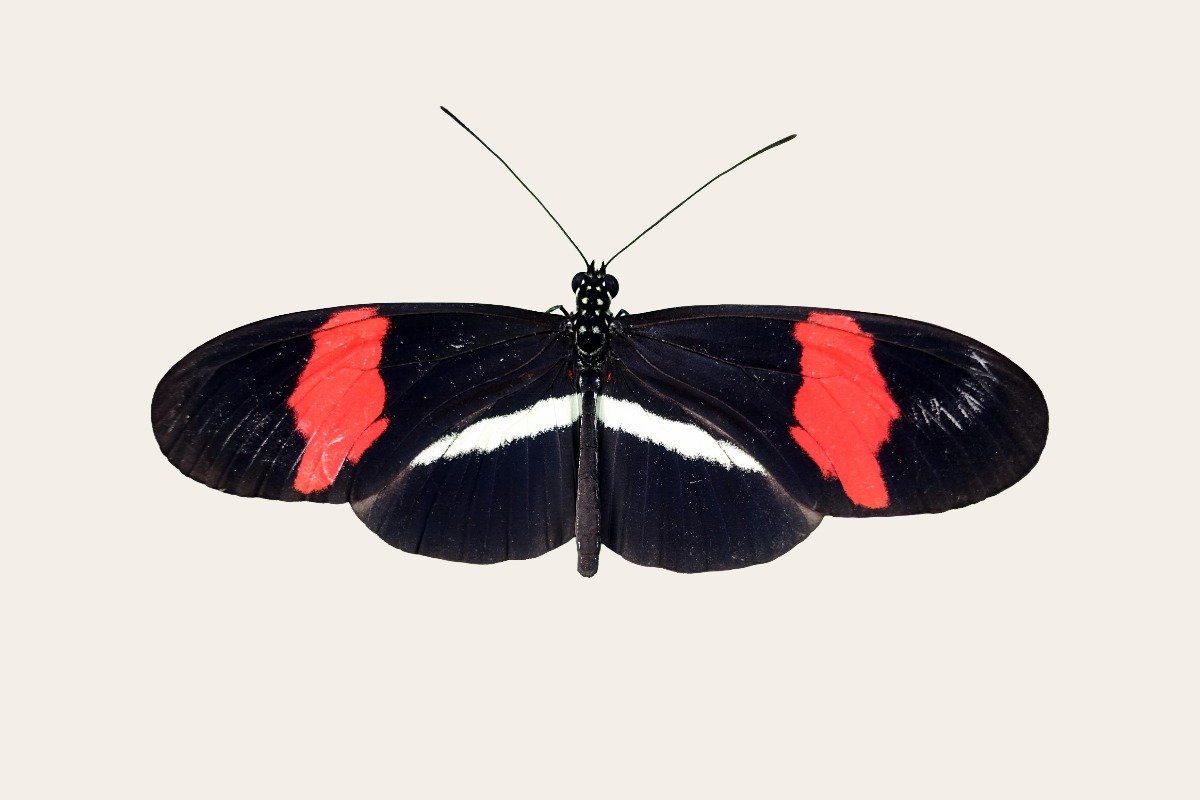
Red Postman Butterfly (Heliconius erato) – Central & Northern South America -
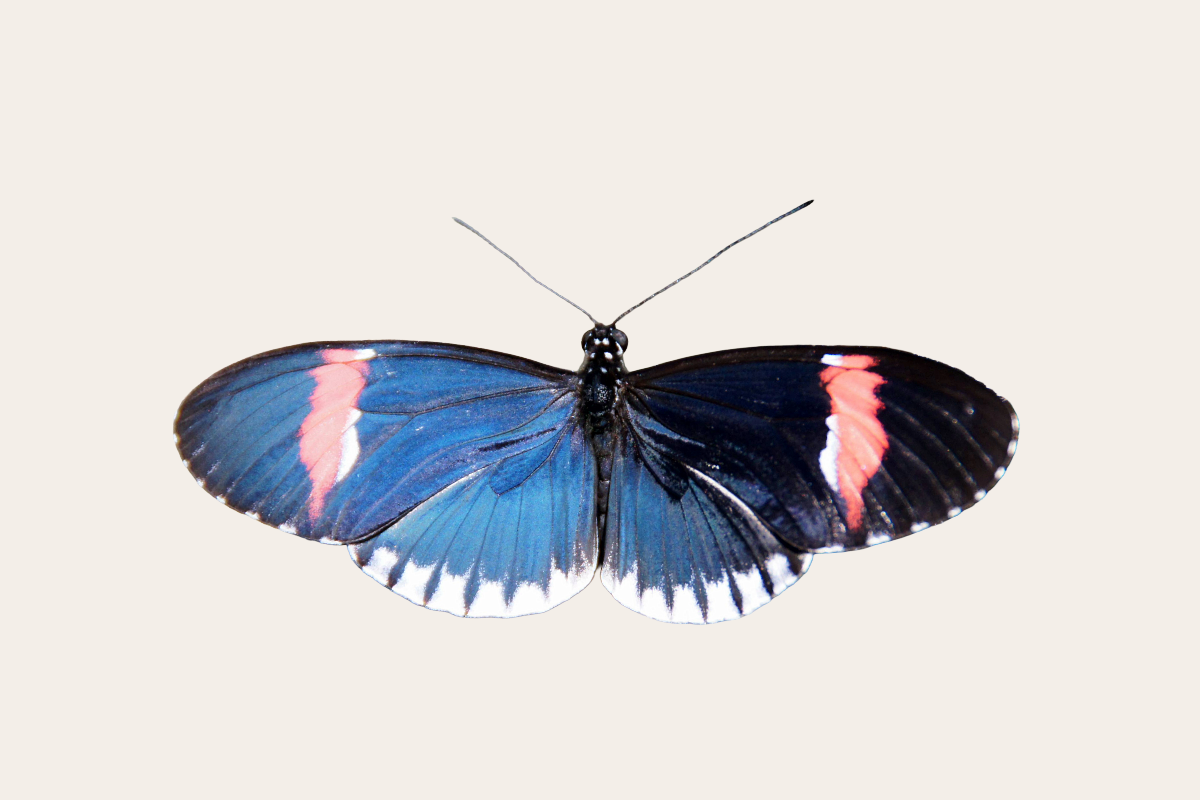
Postman Butterfly (Heliconius melpomene) – Central & Northern South America -
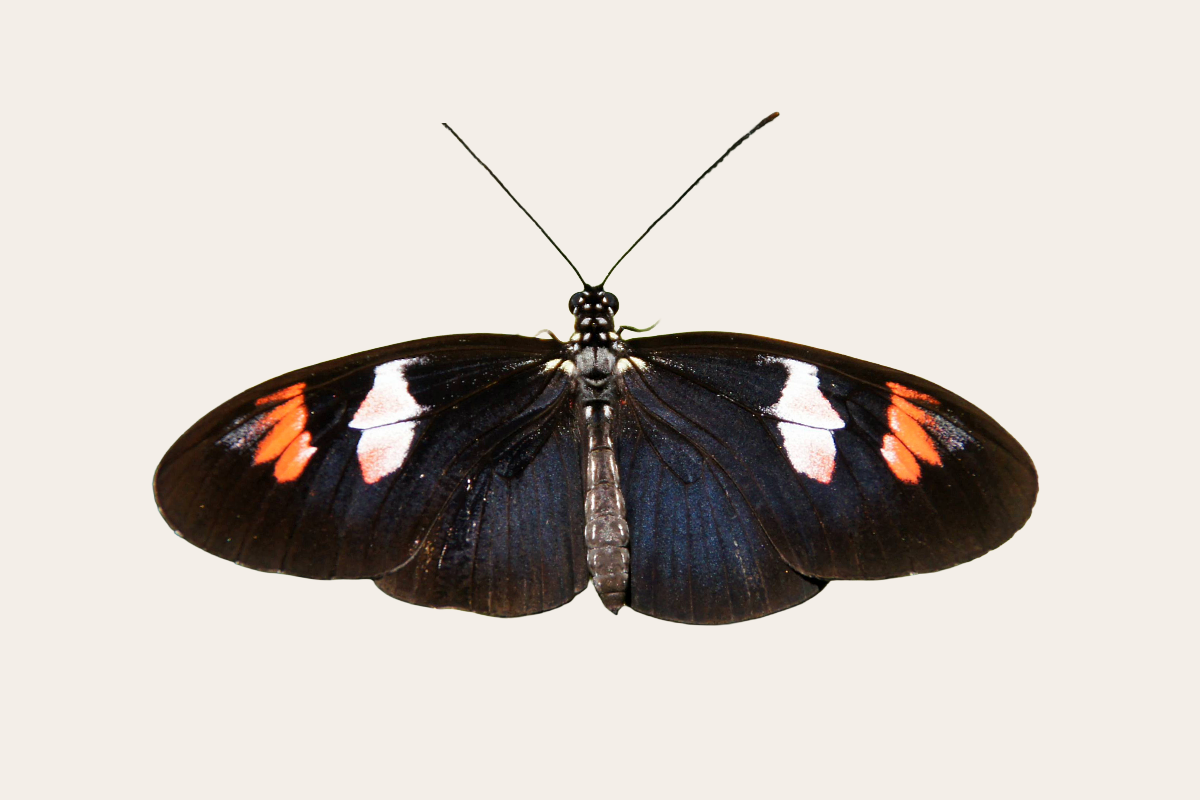
Postman Butterfly (Heliconius melpomene) – Central & Northern South America -
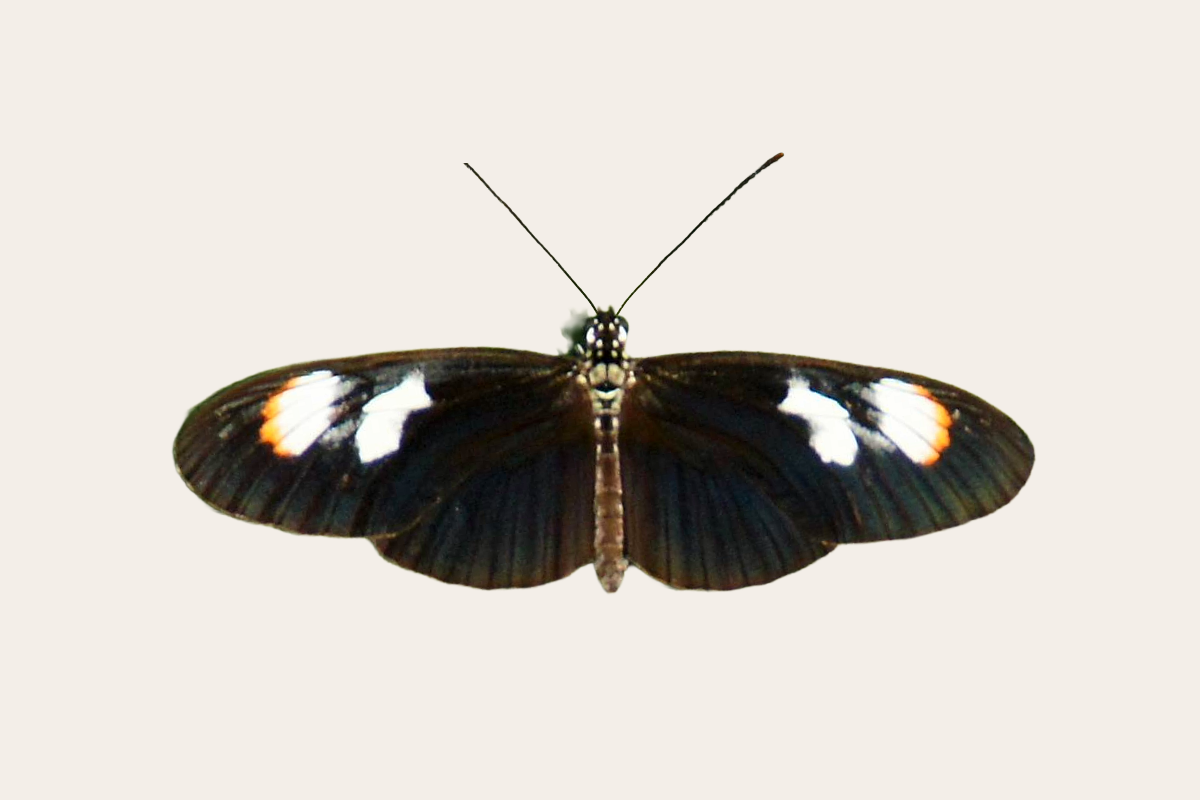
Postman Butterfly (Heliconius melpomene) – Central & Northern South America
Lightbox
Species Spotlight
The Atlas moth demonstrates one of the most remarkable examples of defensive mimicry in the insect world. Each forewing tip features a prominent pattern that resembles a snake’s head, which can startle predators and give the moth enough time to escape. A wingspan that can reach nearly a foot across makes this already stunning moth even harder to ignore.
Doris longwing butterflies may look very different from one another, but they all belong to the same species. Their bright colors send a warning that these butterflies are toxic or taste terrible, and each regional population has developed its own distinct pattern to make sure local predators get the message. Same species, different neighborhood, different message.
Male Great Mormons have dark wings with a subtle blue-green shimmer and scalloped edges. Some females mimic toxic butterfly species to warn predators away, while others don’t. This dramatic difference between males and females is called sexual dimorphism, and the additional variety among females is relatively rare in the butterfly world.
Butterfly Wings Up Close
Look closely at a butterfly wing and you’ll discover a hidden world. Thousands of overlapping, keratinized scales cover the wing, thinner than a human hair and layered like shingles. These scales contain pigments or microscopic structures that manipulate light, creating iridescence and shimmering, color-shifting effects in flight.
Explore More
Carousel items
-
Members Get
Discounts
Beyond Butterflies: Discovering Moths
Discover the hidden world of moths in this engaging presentation.
-
Attract Butterflies to Your Garden with Plants for Pollinators
Read this article to learn how to bring the magic home and transform your yard into a butterfly haven.
-
Bring on the Bees, Butterflies and Hummingbirds with these Plants for Pollinators
This article breaks down the plants and tips that actually work to bring more pollinators to your own garden.