Shop the Fall Plant Sale to Bring Fabulous Fall Color to Your Garden

Marigolds can add brilliant color to your landscape–and will be on sale at our Fall Plant Sale!
Congratulations, Fort Worth! You’ve made it through another hot summer! Now we can begin to enjoy cooler weather—and beautiful fall-blooming plants.
The first frost arrives in Tarrant County around Nov. 22, so you’ve got lots of time to bring color to your personal landscape, whether that’s a huge garden or an apartment balcony. And you can buy all of these plants right here at the Garden at our Fall Plant Sale!
Here’s what our experts suggest:
Want bright color right now?
Think marigolds (Tagetes)! Plant now and you’ll get to enjoy cheerful yellow or orange flowers all autumn. Different varieties of this annual grow to different heights and are found in different shades of yellow and orange, so read plant labels to find a cultivar that will suit your tastes.
Whether in the ground or in containers, water your marigolds daily the first two weeks to get them established, then back off to every other or every third day. Make sure water drains well—marigolds don’t like wet feet! And if you need inspiration, you’ll find a glorious carpet of marigolds in the Rose Garden in honor of Day of the Dead.
Did you know that marigolds are sacred in many countries? In India, they are associated with the sun and used to celebrate weddings. In Thailand, they symbolize good luck and are left as offerings in Buddhist temples. In Mexico, they represent the fragility of life and decorate homes and cemeteries during Day of the Dead celebrations.
Prefer traditional fall favorites?
Mums (Chrysanthemum x grandiflorum) have long been the classic autumn flower in Texas. Available in colors from red to orange, white to bronze, they typically flower for several weeks. For interesting color and texture contrasts, pair mums with ornamental kale or cabbage, which will likely survive well into winter.
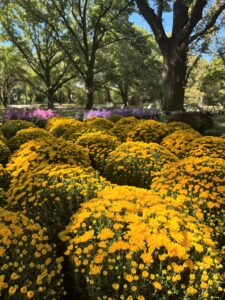
Mums can add brilliant color to your landscape–and will be on sale at our Fall Plant Sale!
Once your mums die back, replace them with cold-tolerant annuals such as pansies and violas (Viola), either in containers or in the ground. If you keep them well-watered and cover these plants when the temperature drops below freezing, they’ll likely bounce back as soon as temperatures rise.
Did you know that mums will come back every year? Many Texans grow mums in containers and toss them at the end of the season. But mums are perennials. Plant them in the fall in a sunny, well-drained location and they’ll likely bloom briefly in the spring. Trim back all flowers and keep them watered through the heat of the summer. They’ll reward you next fall with repeat of their original brilliant performance!
Thinking ahead?
Fall is a great time to plant native perennials! You’ll thank yourself next spring and summer when your garden is bursting with color and attracting bees, butterflies, bats and other pollinators. Some great options:
- Fall aster (Symphyotrichum oblongifolium) – Dazzling purple blooms from late summer to winter.
- Gregg’s Blue Mistflower (Conoclinium greggii) – Fluffy lavender blue flowers that thrive in dry clay soils
- Lantana ‘Texas’ (Lantana urticoides) – Orange, red and yellow blooms cover this incredibly tough, drought-tolerant native that will bloom all summer and into autumn.
- Autumn sage (Salvia greggii) – Red, pink or purple flowers cover this Texas favorite from spring until fall.
As the season progresses, consider adding trees and large shrubs to your landscape. Planting in late fall or early winter allows roots to become well-established before the heat of the summer. Late fall and early winter are also a great time to plant bulbs such as iris (Iris), daffodils (Narcissus), Spanish bluebells (Hyacinthoides hispanica) and corn lilies (Gladiolus communis).
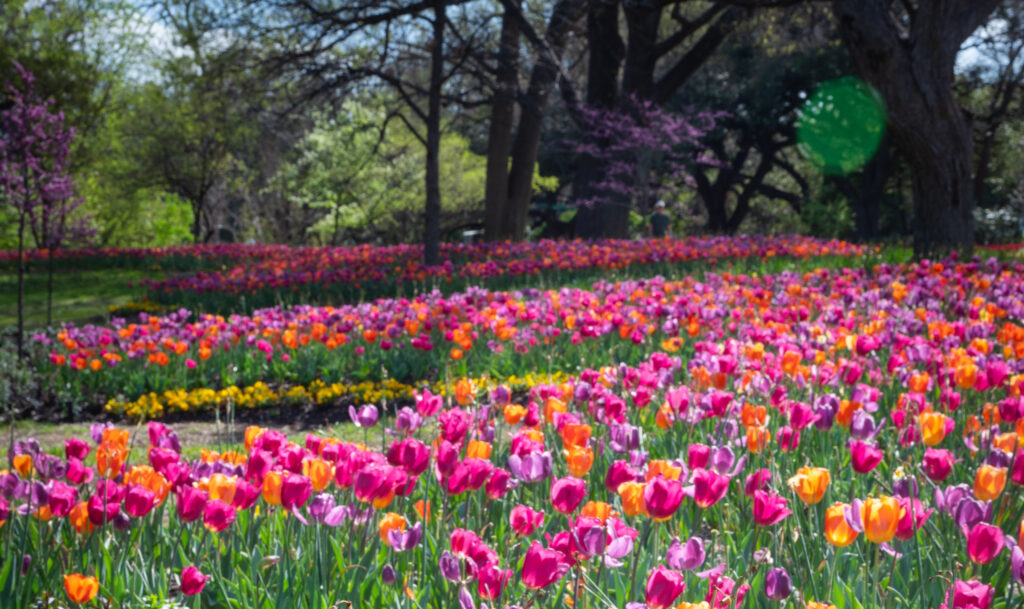
You can also buy tulip bulbs in the fall, but don’t plant them! To bloom, tulips need a sustained period of cold that our up-and-down winters can’t provide. Refrigerate them at 45 degrees for at least 45 days and plant the bulbs in late December or January. (Read up on the process online or in a good gardening book for best results.)
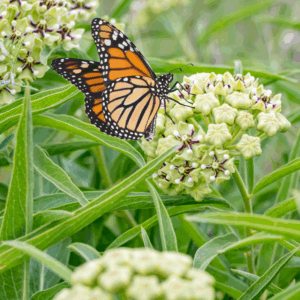
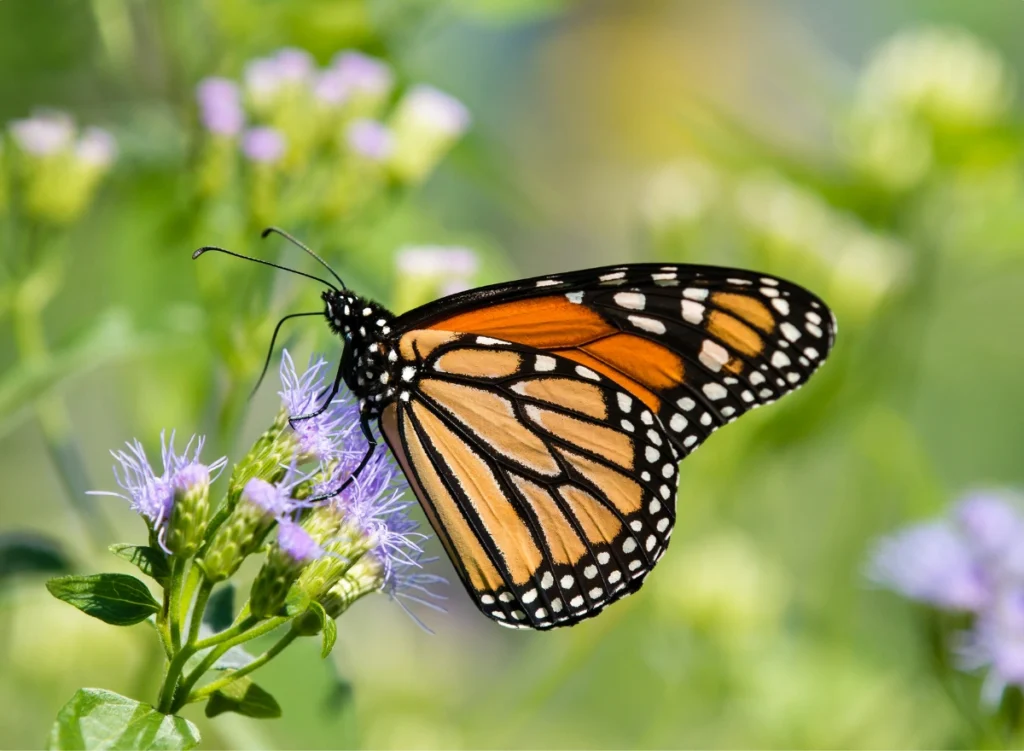
Plant native milkweed to help protect monarch butterflies.
Did you know you can help save beloved monarch butterflies by planting just one perennial? Milkweed (Asclepias.) is the ONLY plant that monarch caterpillars can eat. Populations of wild milkweed have declined dramatically, threatening the beautiful insect. Native milkweed may not be the most beautiful plants, but it’s worth finding a sunny corner in your landscape to keep the monarchs returning every year.
Remember that members get early access to the Plant Sale and receive a 10 percent discount. Not yet a member? Sign up today! And start planning now for your fall garden!